What does low cortisol aim mean in Valorant and how do you build it?
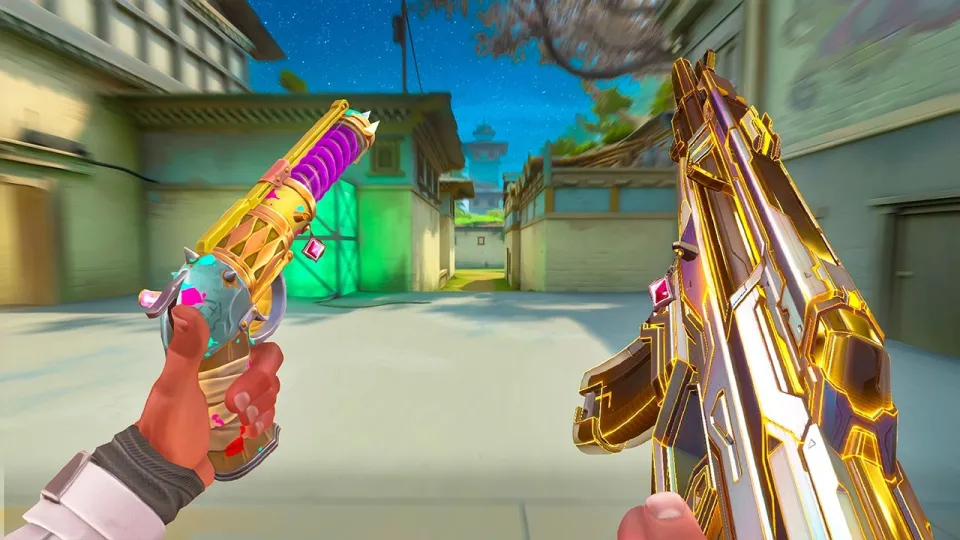
Video: low cortisol aim..
You can order the same kind of articles for your own video to boost it on YouTube and Google. Just message the Telegram bot @sat_sit_bot. The bot writes and publishes the articles itself (with your YouTube video embedded) on popular topical websites (no ads). Try it free: 50 articles on us.
Key takeaways
- Low cortisol aim is a Valorant term for calm, unhurried crosshair placement instead of adrenaline-driven flicking.
- Rawzu runs 400 DPI with 0.625 in-game sensitivity, 1440x1080 resolution and crosshair 1-6-2-2.
- His setup: Logitech G Pro X Superlight 2, Artisan Zero Soft mousepad, Zowie XL2566K 360Hz monitor.
- The clips are Phoenix gameplay on Icebox, mixing Blaze walls, Curveball flashes and Run it Back aggression.
- Calm aim is trained through pre-aim, micro-corrections and consistent peripherals, not through higher sensitivity.
Low cortisol aim in Valorant is a way of describing aim that stays calm under pressure: the crosshair moves in small, deliberate corrections instead of panic flicks, and the player wins duels through placement and timing rather than raw speed. The term comes from the idea that a relaxed, low-stress state produces cleaner mouse control than an adrenaline spike. Rawzu's Phoenix montage is built entirely around that idea, and if you want the same low-latency environment for practice, you can optimize your PC for Valorant with Hone before you touch your sensitivity.
What low cortisol aim actually means in Valorant
Low cortisol aim is a training philosophy, not a sensitivity setting. It means the player keeps the crosshair at head level, holds angles with minimal movement, and lets the enemy walk into the shot instead of chasing the target. In practice it looks slower than highlight-reel flicking, but the stats behind it are usually better: fewer wasted bullets, more first-shot accuracy, and fewer duels lost to overcorrection.
The name is a joke about stress hormones. High-pressure situations raise heart rate and grip tension, which shows up as overshooting and micro-shakes. Players who describe themselves as having "calm aim" are really describing a repeatable routine: same grip, same arm position, same pre-aim height, same pace of correction. Rawzu's clips lean into this — the movement is flashy, but the crosshair itself rarely travels far.
Rawzu's settings and peripherals in the low cortisol aim video
Rawzu's setup is deliberately low-sensitivity, which is the mechanical foundation of calm aim. Here are the exact values listed for the video:
- Sensitivity: 400 DPI with 0.625 in-game, an effective eDPI of 250.
- Resolution: 1440x1080, a stretched 4:3 ratio that widens player models.
- Crosshair: 1-6-2-2 (outline, thickness, length and gap values in the standard Valorant crosshair code format).
- Mouse: Logitech G Pro X Superlight 2.
- Mousepad: Artisan Zero Soft, a control-oriented cloth pad.
- Monitor: Zowie XL2566K at 360Hz.
An eDPI of 250 is on the low end for Valorant, and it matters. Low sensitivity forces arm movement for big turns and keeps the wrist free for small corrections, which is exactly the split you want for calm aim. The Artisan Zero Soft adds stopping power, so a fast swipe ends where you intended instead of sliding past the head. The 360Hz panel does not make you calmer, but it does shorten the feedback loop when you are learning to trust your first shot.
How Phoenix gameplay supports a calm aim style
Phoenix is an offensive duelist, and his kit removes the two things that usually cause panic. Curveball blinds enemies even when they are tucked behind corners, so you can clear an angle without guessing. Blaze creates a wall that blocks vision and damages anyone who pushes through it, which lets you take space on your own terms rather than sprinting into a crossfire.
Hot Hands gives self-healing area denial, and Run it Back lets Phoenix die, respawn at his marker and re-enter the fight with full health. That ultimate is the closest thing Valorant has to a stress-free duel: you can take a risky fight, learn the enemy's position, and come back with information. For a low cortisol aim style, that means fewer desperate sprays and more pre-aimed entries.
The Icebox clips follow the same pattern. Phoenix walls off a sightline, flashes over the top, and walks into the angle with the crosshair already at head height. The aim looks effortless because the utility did the hard part.
Steps to build calm aim in Valorant
Calm aim is trainable, and the routine is boring on purpose. Work through these in order:
- Fix your effective sensitivity first. Pick an eDPI in the 200–320 range, then leave it alone for at least two weeks. Changing sensitivity every session destroys the muscle memory that calm aim depends on.
- Practice pre-aim height in Deathmatch, not flicking. Walk every common angle with the crosshair at head level and only correct when a target appears.
- Use a control mousepad and a mouse you trust. A pad with strong stopping power, like the Artisan Zero Soft in Rawzu's setup, reduces the overshoot that reads as "shaky aim."
- Breathe and loosen your grip before each round. Tension in the fingers is the physical cause of micro-shakes; a relaxed hand returns to the same position every time.
- Review your deaths for crosshair placement, not for misses. Most lost duels in Valorant start with the crosshair too low or too wide, long before the shot is fired.
Common questions about calm aim and this playstyle
Viewers of the video keep circling the same doubts, and they are worth answering directly. The first is whether this style is actually viable at a high rank. It is, but only with utility support: Phoenix's Curveball and Blaze create the timing windows that make slow, precise aim work against faster opponents.
The second is whether low sensitivity limits movement. It does not limit it, it changes it — you turn with your arm and aim with your wrist, which is why movement-heavy duelists on low eDPI still entry-frag effectively. The third is whether a 360Hz monitor matters. It helps with tracking and feedback, but a stable frame rate and low input latency matter more than the panel's refresh rate, which is why PC optimization comes before hardware upgrades. The fourth is crosshair choice: a small, tight crosshair like 1-6-2-2 keeps your eye on the head, while large dynamic crosshairs encourage spray-chasing.
Useful links from the video
Final takeaway
Low cortisol aim is less about talent and more about removing the variables that make you panic: a fixed eDPI around 250, a control pad, a crosshair you can actually see through, and utility that lets you choose when the duel starts. Rawzu's Phoenix clips are a clean demonstration of that formula, and the channel Rawzu is worth following if you want more examples of aggressive movement paired with unhurried crosshair placement. Before you grind Deathmatch, set up the environment — grab the Hone optimization for Valorant and give yourself a stable frame rate to practice on.
Questions & answers
What does low cortisol aim mean in Valorant?
It describes a calm, low-stress aiming style where the crosshair is pre-placed and corrected in small movements instead of fast flicks. The name is a joke about stress hormones: lower tension in the hand and arm produces cleaner mouse control and better first-shot accuracy.
Is 400 DPI and 0.625 sensitivity good for Valorant?
That combination is an eDPI of 250, which sits in the low-sensitivity range most Valorant pros use. It suits calm aim because big turns come from the arm while small corrections stay on the wrist, but any eDPI between roughly 200 and 320 works if you keep it consistent.
Why does Phoenix fit an aggressive but controlled aim style?
Curveball blinds enemies even behind corners and Blaze blocks vision while dealing damage, so Phoenix can choose when a duel starts. Run it Back adds a second life, letting him take a risky fight, gather information and re-enter without losing the round.
Do I need a 360Hz monitor to aim calmly?
No. A high refresh rate monitor like the Zowie XL2566K shortens feedback time, but stable frame rates and low input latency matter more for consistency. Optimizing your PC and keeping your setup unchanged does more for calm aim than a hardware upgrade.
Source: low cortisol aim.. · Markdown version